Factory standards and quality control
A standard that cannot be verified is marketing, not a standard. This page lists what we hold, how you can check it yourself, and — just as importantly — what we do not hold. It also explains how to audit any cosmetics factory, including this one.
What we hold, and what we do not
Read this before the rest of the page. It is the part that matters.
| Standard | Our position |
|---|---|
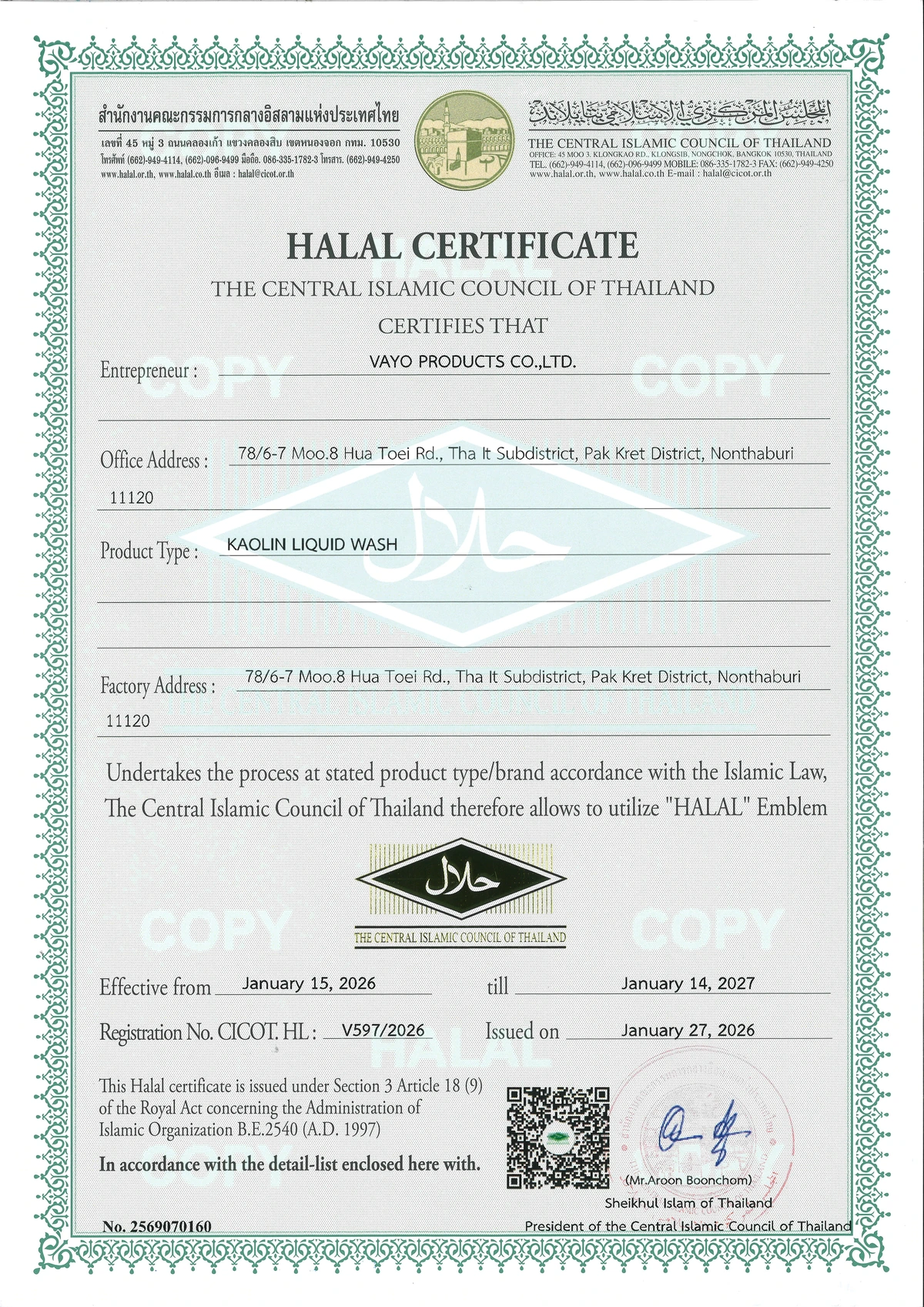
| Halal (CICOT) | We hold this. Certificate of authorisation to use the halal mark for the products applied for, issued by the Central Islamic Council of Thailand. Registration number กอท.ฮล. V597/2569, in the name of VAYO Products Co., Ltd. Verifiable with CICOT directly. |
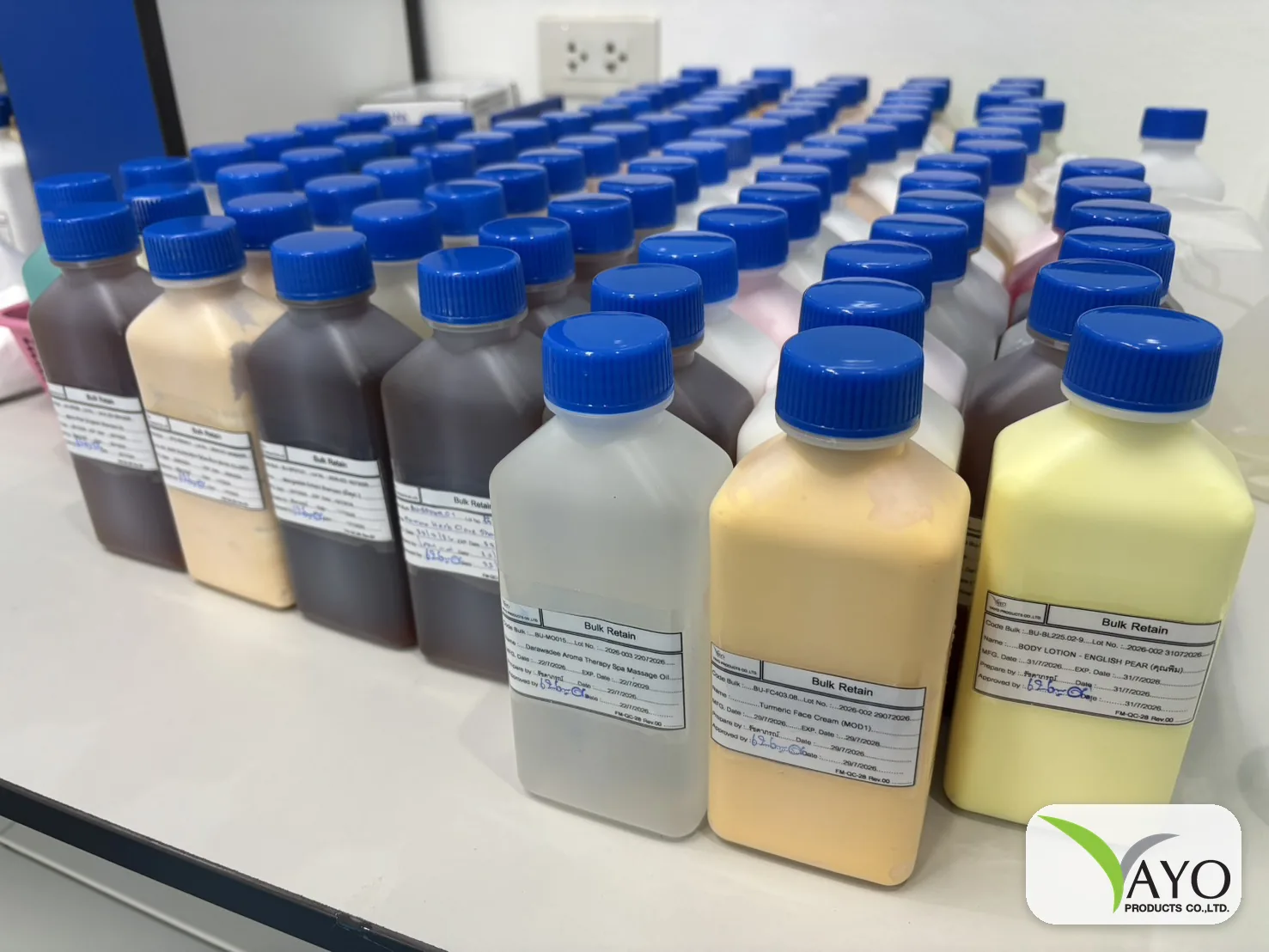
| Internal QC system | We operate this. A retained sample from every production lot, recorded with product code, lot number, production date and expiry, signed by the inspector. There is no external certificate for this — the only way to judge it is to come and look at it. |
| Thai FDA notification | Product-level, not factory-level. Every cosmetic sold in Thailand must be notified before it goes on sale. This is a legal requirement, not a badge of quality, and we support customers through it. |
| GMP / ASEAN Cosmetic GMP | We do not claim this. We do not currently hold documentation for it, so we do not advertise it. |
| ISO 22716 | We do not claim this. Same reason. If a certificate matters to your buyer or your market, tell us early — it may point you to a different manufacturer, and it is better for both of us to know that at the start. |
We would rather lose an enquiry over this page than win one by implying a certificate we cannot produce. Ask every factory you are talking to for the certificate number and the expiry date, and check them.
Certified — for the products applied for
The factory holds a certificate authorising use of the halal mark for the specific products submitted in the application, issued by the Central Islamic Council of Thailand under registration number กอท.ฮล. V597/2569, in the name of VAYO Products Co., Ltd. It is certified through 14 January 2027.
The scope matters. The certificate does not automatically extend to every product the factory is capable of making. If your product needs to carry the halal mark — whether for the Thai market, for export to Muslim-majority markets, or for your own customers — raise it at the planning stage so the work is done within the certified scope from the start.
You can verify the registration number with the Council directly, and you are welcome to inspect the original certificate at the factory.
How to audit any cosmetics factory in four steps
This works on us and on everyone else you are considering. Use it.
1. Ask for certificate numbers
A genuine certificate always has a number, a named issuing body and an expiry date. A factory that claims a standard but will not show you the document is telling you something. Take the number and check it with the issuing body rather than the factory.
2. Check a product they have made
Ask for a product the factory has produced and look up its registration in the relevant regulator's system. In Thailand you can check a ten-digit notification number on the Thai FDA's public system and confirm the manufacturer's name matches the factory you are talking to.
3. Ask to visit
A real factory that is confident in its operation will show you the line, the lab and the QC records. A supplier who declines every visit request may not be manufacturing anything — they may be forwarding your order to someone else and adding a margin.
4. Ask about traceability
If a batch turns out to have a problem six months from now, can they tell you when it was made, which raw material lots went into it, and is there a retained sample to test? If the answer is vague, the answer is no.
Our quality system in practice
Retained sample from every batch
Our Bulk Retain system keeps a physical sample of every production lot, labelled with the product code, lot number, production date and expiry date, signed off by the inspector. It stays available for the product's shelf life so any batch can be traced and re-checked.
Our own production line
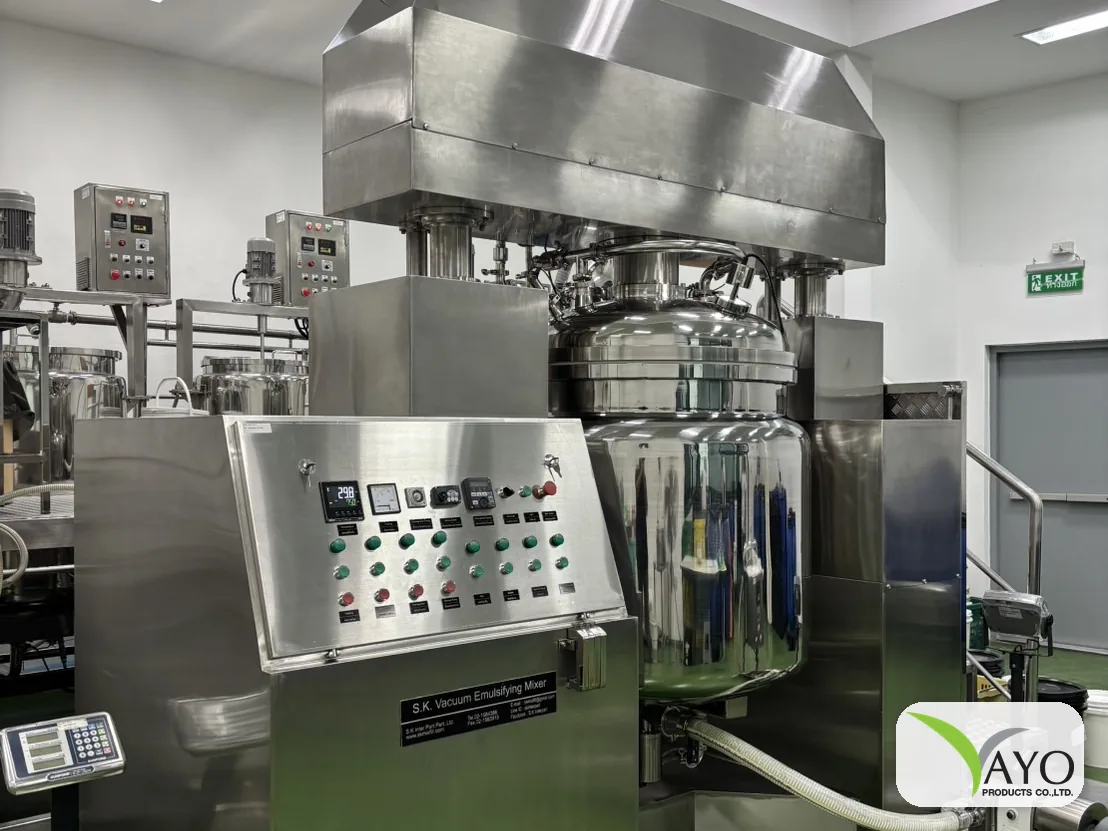
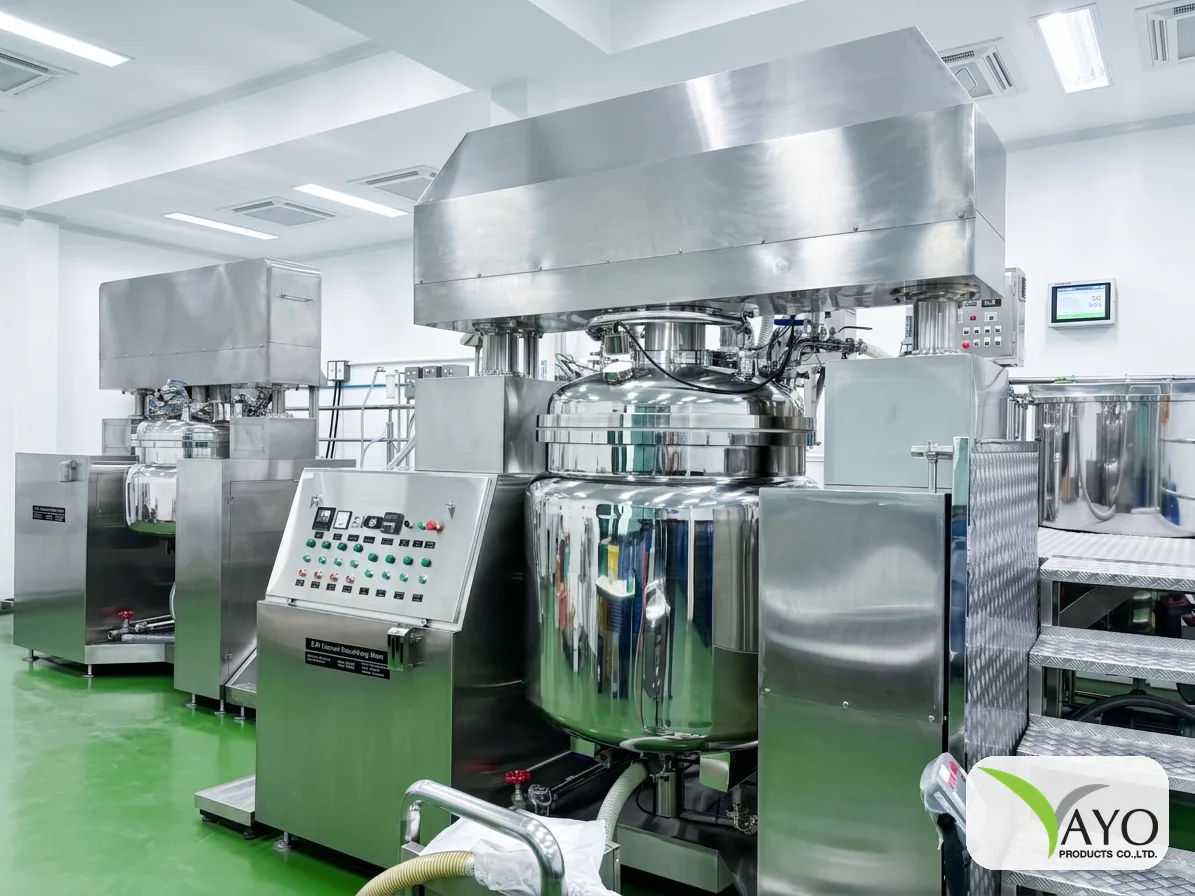
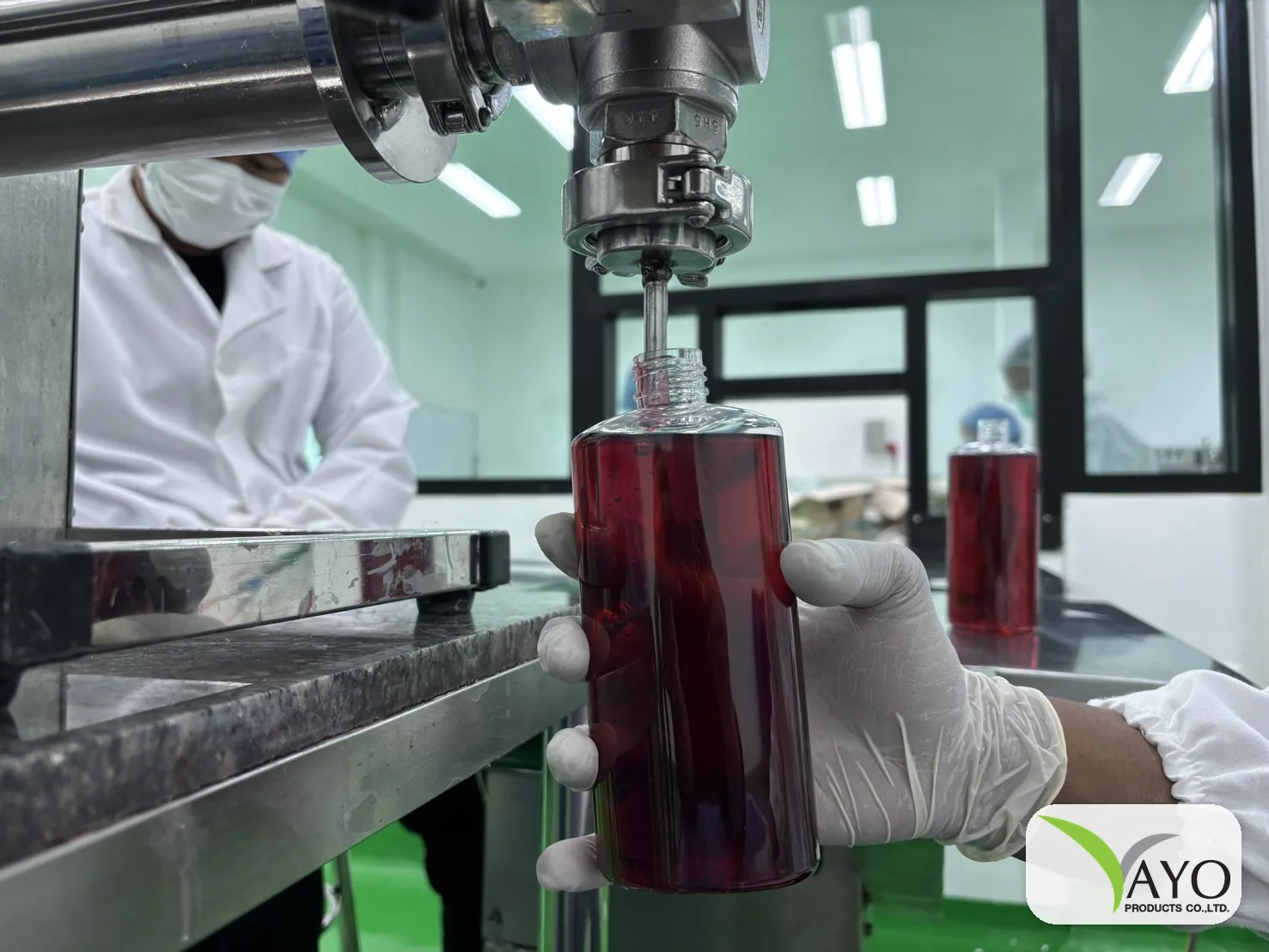
Mixing, emulsifying, filling and packing all happen at our site in Pak Kret, Nonthaburi, on equipment we own, including vacuum emulsifying mixers for creams. Average output is 10,000–20,000 units per day.
Our own laboratory
Formula development and adaptation happen in-house, which is why we can tell you what is possible in a conversation rather than after a week of enquiries.
Open to visits
Book ahead through LINE and come and see all of the above. About 40 minutes from central Bangkok. We think this is worth more than any logo we could put on this page.
Inside the factory
Questions about standards
Can products you make be notified with the Thai FDA?
Does the halal certificate cover every product you make?
Can I see the original certificate?
My buyer requires GMP certification. What now?
Can I audit the factory myself, or send an inspector?
Come and see it for yourself
We think a good factory should be willing to be inspected. Book a visit to the production line and the lab.